
Artificial Intelligence has ceased to be a futuristic promise and has become an operational reality that is redefining the rules of the game in the tech sector. However, in the face of massive automation of code and processes, a question arises that unsettles CTOs, HR heads, and team leaders: Where does the human factor remain?
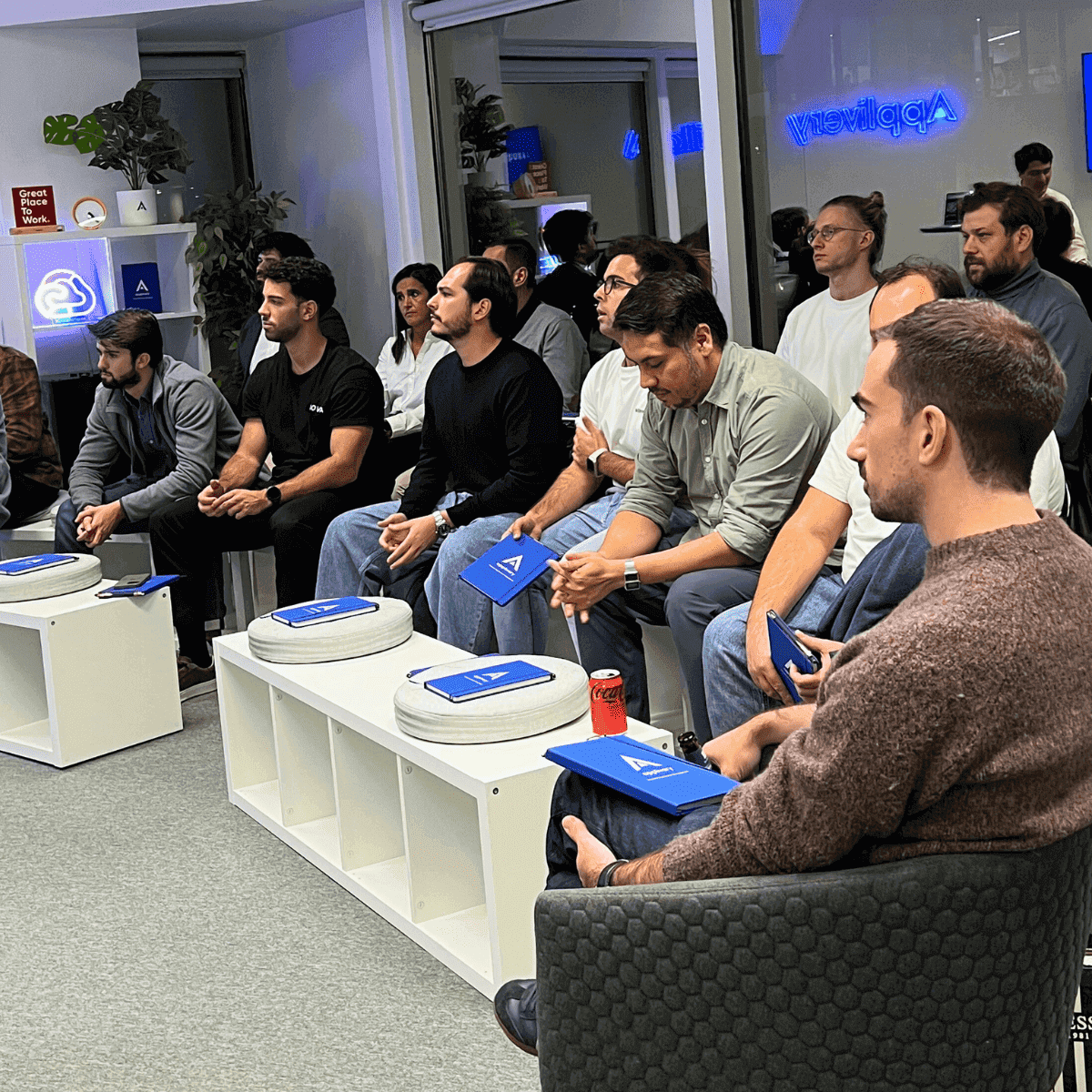
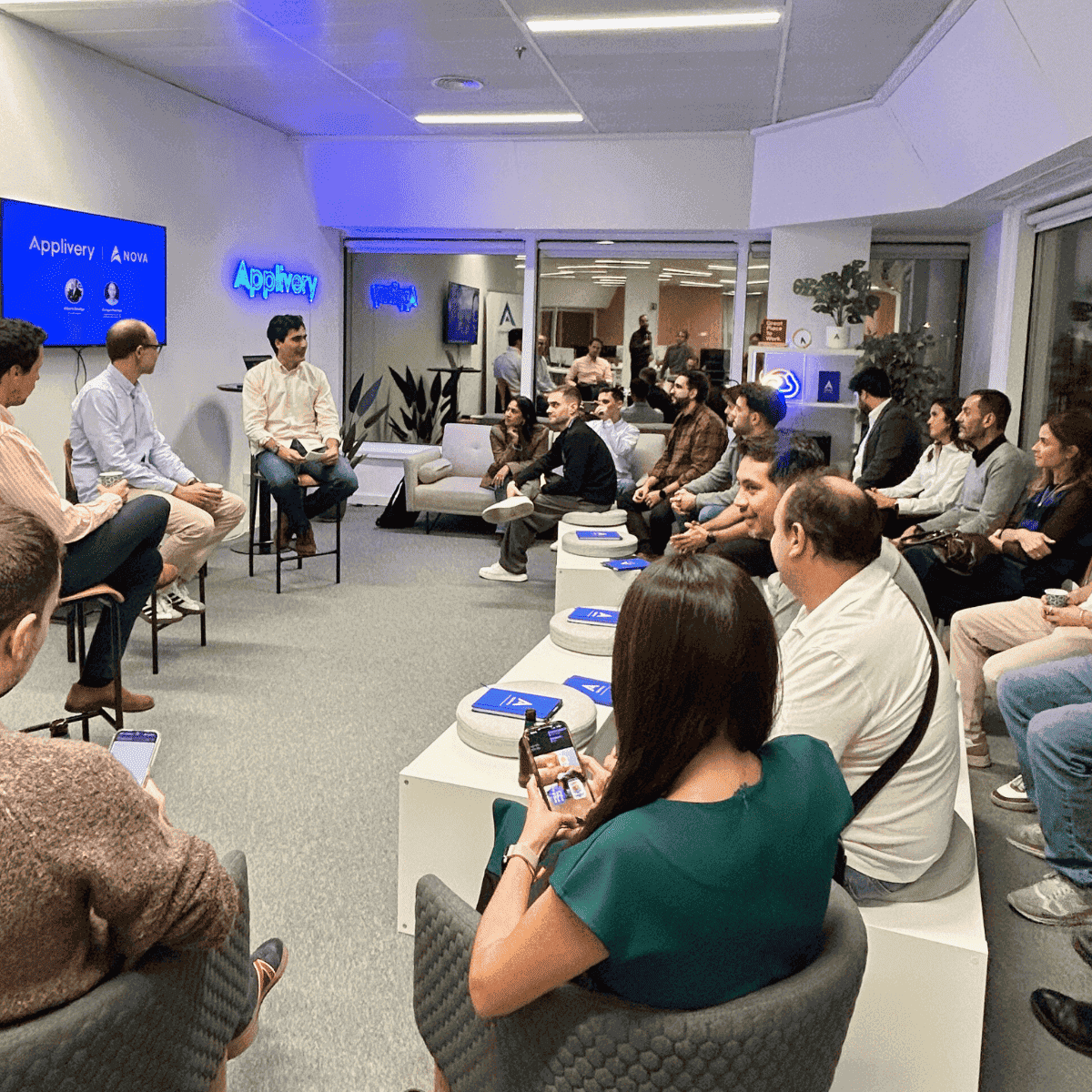
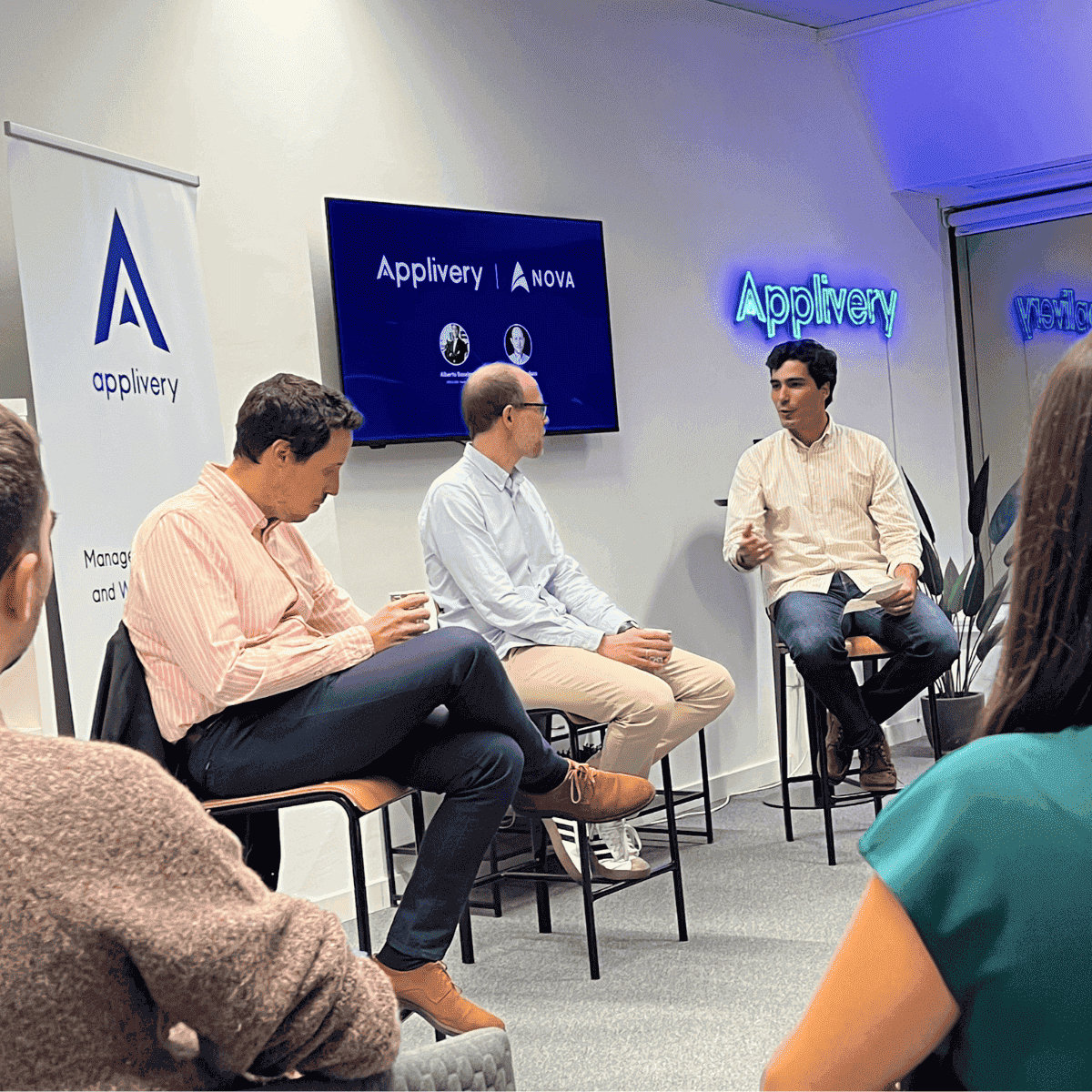
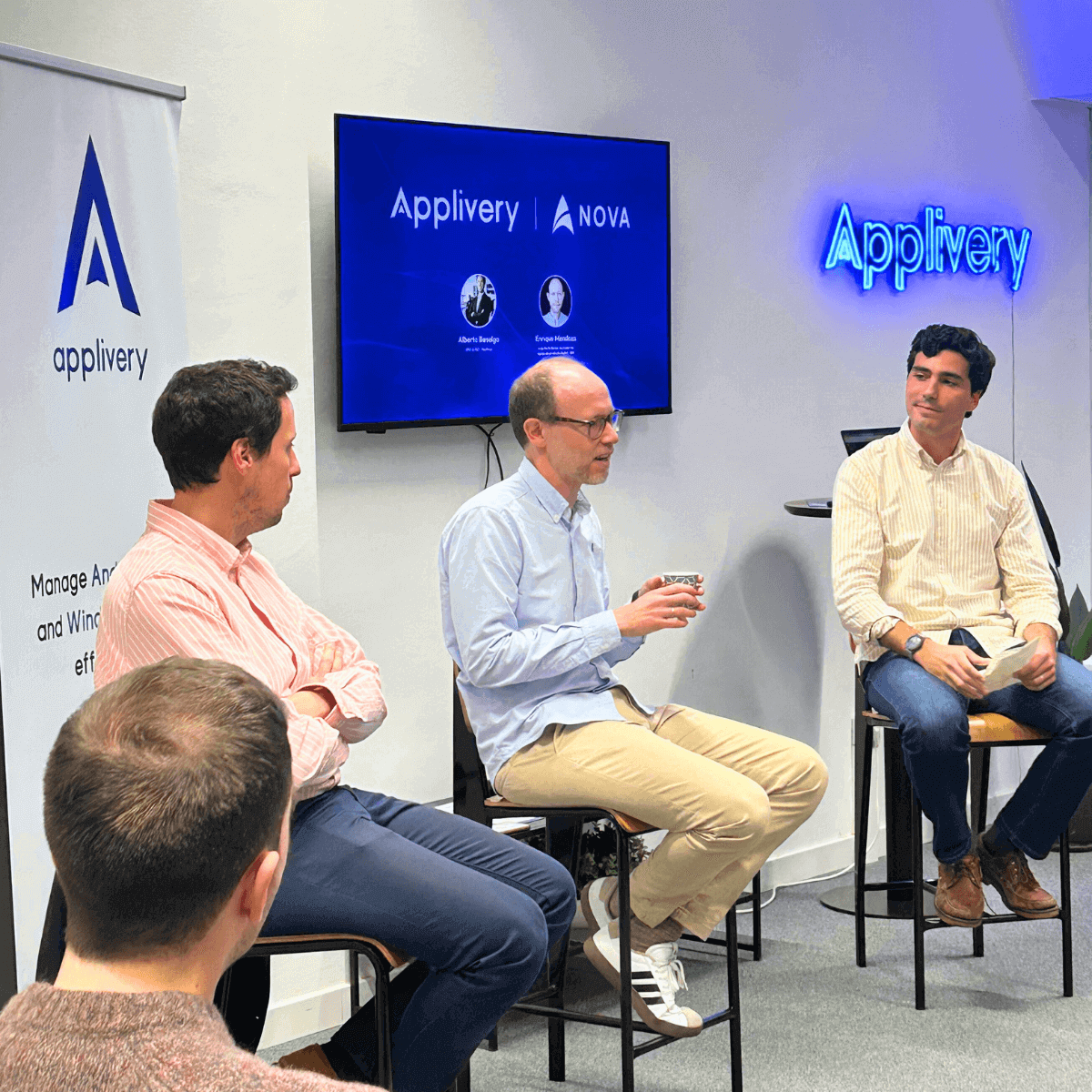
Last Thursday, November 13th, with Nova Talent, we opened a much-needed space for debate: “The future of Tech talent in the AI era.” It was an afternoon to reflect on how this technology is transforming the attraction, development, and retention of talent.
Managing teams in times of disruption
The main challenge (or pain point) that companies face today is not just technical, but cultural and organizational. Leaders find themselves at a crossroads:
- How do you lead a team where AI takes over the most basic programming tasks?
- Are traditional models for hiring Junior profiles still valid?
- How do we prevent technological dependency from stifling critical thinking?
To answer these concerns, we relied on the vision of three industry leaders: Alberto Baselga Fernández de Piérola (CPO & CIO at Northius), Enrique Ismael Mendoza Robaina (Senior AI Architect at IBM), and Miguel González-Gallarza (AE at Applivery).
The 3 pillars of the debate
During the event, we broke down the impact of AI into three major blocks that define the roadmap for current technical leadership:
Recruitment and leadership: the rise of soft skills
Paradoxically, in the age of the machine, the human element is gaining more value than ever. The speakers agreed that hard skills are becoming increasingly ephemeral. The true differentiator in technical teams today lies in soft skills: the capacity to understand complex problems, empathy, teamwork, and creativity.
The challenge for the technical leader is no longer just teaching how to code, but achieving team cohesion and facilitating each member to identify their growth opportunities, assuming responsibilities beyond the code itself.
The junior vs. senior debate and associated risks
This was perhaps the most controversial point of the day. Divergent positions emerged regarding hiring:
- Does AI reduce the need for Junior profiles by automating low-complexity tasks, prioritizing Seniors?
- Or should we continue betting on the base to foster organic growth?
Additionally, critical risks for modern companies were addressed, such as intellectual property of generated code, sustainability, and the ethical use of technology.
Technology that empowers, doesn’t replace
The great conclusion of the event aligns perfectly with Applivery’s vision: AI does not replace human talent; it empowers it.
Just as Artificial Intelligence frees developers from writing repetitive code so they can focus on architecture and business logic, Applivery frees IT and DevOps teams from manual device management and app distribution.
- For IT teams: we automate security and device deployment (MDM), eliminating operational friction.
- For Development teams: we facilitate the distribution of builds and app lifecycle management (MAM), allowing agility without losing control.
Whether in talent management or infrastructure management, the goal is the same: to use technology to eliminate the noise and allow people to add value where it truly matters.